We want to use it on site
You need a tool you can use when you are out or on site. We build screens that work with few operations when you are out or on site.
- Many people are away from their computers
- Checking on paper


Development — Applications
We build apps for Windows, Mac, Android and iPhone from the planning stage, from business apps to apps for the general public.
When
You need a tool you can use when you are out or on site. We build screens that work with few operations when you are out or on site.
You want to deliver your service as an app. We handle publishing to the stores and updates after release.
You want to use the camera, voice and notifications. By using device functions, processing is completed right on the device.
What we build
We build apps for internal use. We create screens that follow your work procedures, along with integration with your internal systems.
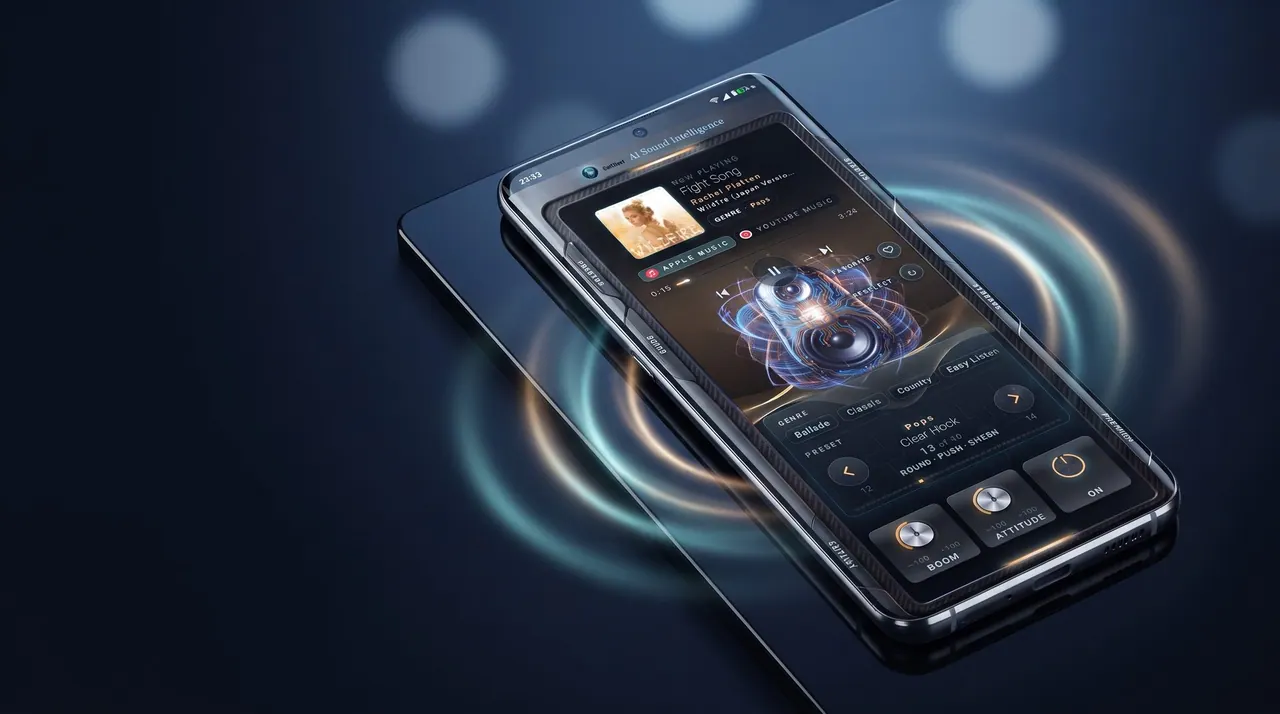
We build apps for general users. EarEffect has been downloaded 140,000 times.
We support special environments such as in-vehicle use. We design systems to run reliably even in environments with constraints on communication or operation.
In depth
In app development, keeping an app in use is harder than building it. There are updates to devices and operating systems, store reviews, and inquiries from users. From the day an app is released, the work of maintenance and improvement begins.
We build apps for Windows, Mac, Android, and iPhone, from business tools to consumer apps, starting at the planning stage. The same engineers handle the design of audio and AI that run heavy processing on the device, store publication and updates, and analysis of usage logs.
Our EarEffect has been downloaded 140,000 times worldwide. The experience of running it on devices around the world and continuing to update it supports the quality of your app.
Case study
We present the flow and the finished form in the form of reports. Each one states clearly whether it is based on our actual operations or is an example assumed from how such work is normally done.
App development and release
Here is an example from our own operations. We have released EarEffect on Android and in Chrome on computers, and it has accumulated 140,000 downloads as we keep pace with device and operating system updates.
ReportReport for this case
A store visit reservation app
At a beauty salon company, reservations are taken by phone and on the web, and membership cards are paper cards, so visit records are not connected.
ReportReport for this case

Designing audio apps
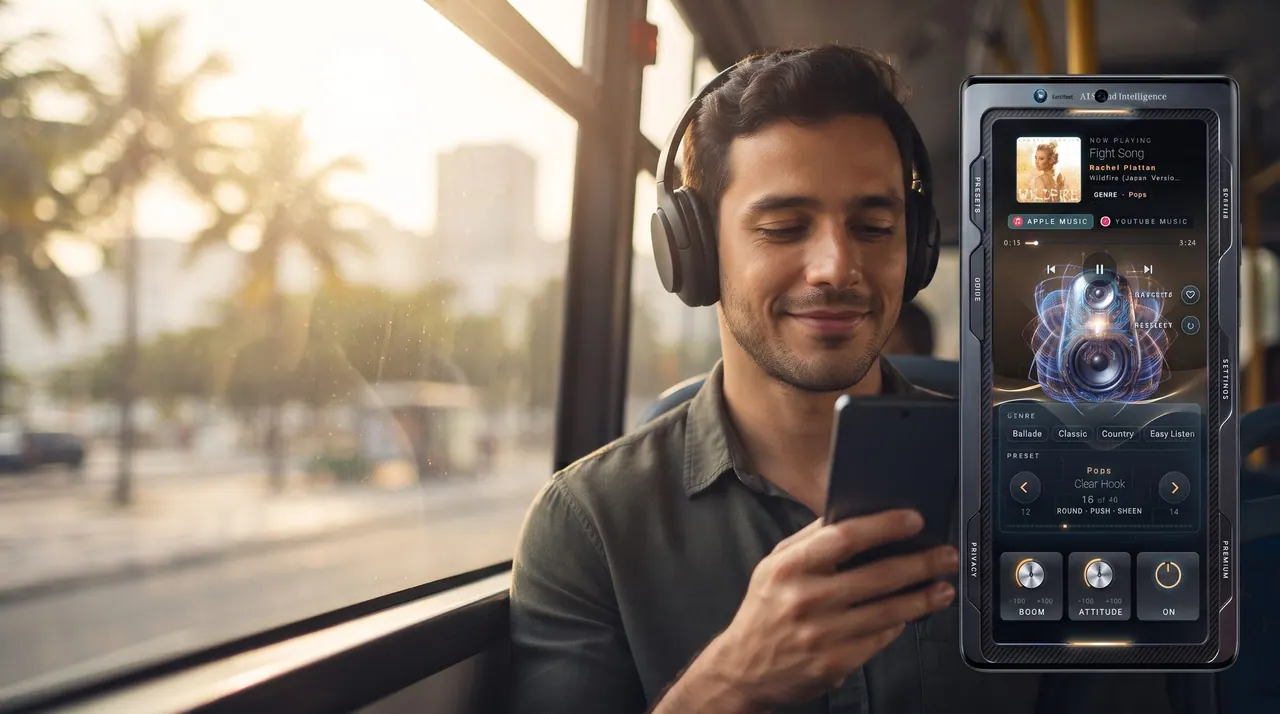
This is our own example. Sound settings are difficult for many users and tend to go unused. EarEffect was designed to read a track and select the sound suited to that track.
ReportReport for this case
Applications
We plan, develop, publish, and operate our own app, EarEffect.
Process
We go on site and, looking at the documents and screens the person in charge uses, ask about the flow of work and the criteria for decisions. We write out how exceptions are handled, the fluctuations in volume, and who does the final check, and identify candidates to hand over to AI.
We decide what is left to AI and the stages where people check and confirm. Agents for each role, the order of the process, and how to stop and notify when something fails are all designed on the basis of the configuration we run in-house every day.
We build a prototype with your actual data and compare the AI's judgments with those of your staff for every case. We trace every discrepancy to its cause and report whether it can be resolved by revising the instructions or whether the data needs to be prepared.
We build it into your work procedures and run it in actual operations. It includes scheduled automatic start-up, processing records, and detection and notification of abnormalities. When the data it refers to is missing, it is designed to stop processing so that it does not produce an incorrect judgment.
We continue to refine the instructions and procedures by reviewing operation logs and error trends. We set up a contact point to receive feedback from the field, apply only approved fixes, and verify the effect the next day.
Estimate
We prepare a quote after asking about the following points. With the AI quote, the AI asks about the same points in turn.
Any of Android, iPhone, Windows, or Mac. The more target devices there are, the more development and testing is required.
The number of screens, and the use of device functions. The more screens and device functions there are, the more there is to build.
User management and data storage. The more user management is needed, the larger the server side becomes.
Submission to the store, and updates after publication. It varies depending on how much of the post-publication updating we handle.
Why A&M GROUP
The engineer who did the interviewing designs and implements the system directly. Requirements do not drift through back-and-forth specification documents.
We actually operate 8 AI systems that do the work of several thousand people in our own business, including the multi-agent system that oversees the operation of the entire business. Our advice comes from experience of running them, not from proposals on paper.
Where AI is not needed, we will tell you so. If an off-the-shelf tool is enough, we will propose that approach as well.
We run it in actual operation and take responsibility through to detecting faults and continuing to fix them. We operate our own 8 AI systems under this structure every day.
Operating scale — from system logs
What we build for our clients uses the same design as what we run ourselves every day. Our AI processes every day a volume of work that would require multiple departments if handled by hand.
approx. 100,000cases/day
Checks bid notices published by government agencies and others 4 times every day, with AI judging deadlines, participation conditions, and fit with our company
1,108cases
Bidding projects whose deadlines and progress are managed by AI
4,084items
Orders, inventory, pricing, advertising, and finance on one platform
86functions
In-house system functions that can be run directly from AI assistants
8systems
AI systems we actually run in our own business
Values retrieved from each system's records (as of November 9, 2026). "Thousands of people" is a figure we calculated: we converted this workload into the effort it would take people to process it with the same tasks, and took the number of people needed to finish it within twenty-four hours. It is not a measurement by a third party.
View the workload breakdownContact
Select a contact point and describe your request. Together with an AI guide, we will organize the specifications and prepare a rough estimate on the spot.
Request a quote for this plan